Checking your surface and the rules
Whether the rules cover the spot you have in mind.
Read this onePlug-in Solar West Midlands / Fitting, and an outdoor socket
You plug the panel in. If the socket has to be outdoors it must be a weatherproof one wired by an electrician, and we'll book one.
The product specification is written for devices that ordinary people install and operate. You do not need an electrician to put a panel on a frame in the garden and plug it in.
You do need one for anything that touches the house wiring. That includes fitting a new socket, and it includes changing the overcurrent protection on a circuit. The specification is explicit that work of that kind is for a qualified electrician. If you are not sure a socket is up to it, have one look at it.
Where the plug lives outdoors, the fitting it goes into has to carry an ingress rating of IP55 or better. That means a weatherproof unit, not an indoor one with a cover over it. Most houses that put a panel on a garden frame will need one put in.
We get a local electrician to look at where the panel would go and price the socket. They price the socket. We are not quoting you for their work and we do not add anything to it.
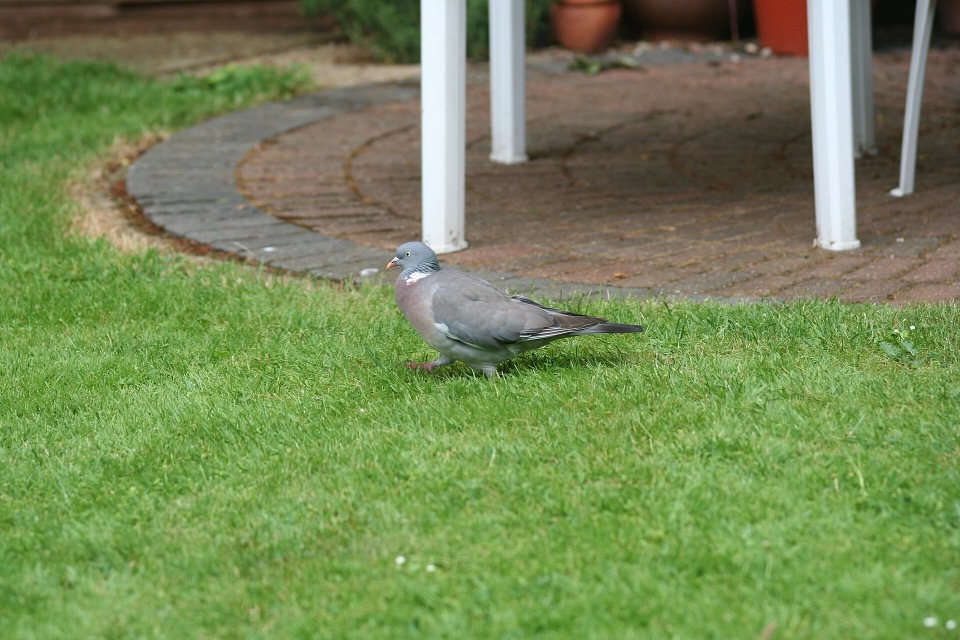
The specification names four things a plug-in solar device must not be used with: extension cables, multi-way adaptors, RCD adaptors and travel adaptors. It says so twice, once as a warning that has to be marked on the device and once in the instructions.
That matters most in exactly the case people reach for it. A panel at the bottom of the garden and the nearest socket in the kitchen is not a job for a lead out through the window.
One device per final ring circuit, and one per household. The plug has to be a BS 1363 type with a BS 1362 fuse link and additional contact protection, and it has to be labelled near the plug. The DC connectors come from the manufacturer, in matching pairs from the same product family, and they must never be pulled apart while the panel is under load.
An inverter can take up to four PV modules, with no more than two in series in any one string. The panels can add up to 2000 watts of DC. What reaches your sockets is capped at 800 VA and 3.5 amps, so the panel wattage and the output are two different numbers and a listing that quotes only one of them is telling you half of it.
Go above 960 watts of panel capacity and the specification asks for a professional to assess whether the installation is suitable. That figure is precautionary and not a hard limit.
The specification requires manufacturers to tell users to check whether the product affects their insurance. It is a short call and worth making before the panel arrives rather than after.
Everything above comes from the Plug-in Solar Device Interim Product Specification version 2.0, July 2026, read on 13 September 2026. Version 1.0 is stamped withdrawn and does not count.
Give us the postcode and tell us what that part of the house is built from. We will say which way it falls.
Send us your postcodeSend the postcode. We'll tell you.
Name, postcode, email, and the spot you're thinking of. Back comes an email with what the rules say and what that spot should generate in a year.
Email replies only. Your details go nowhere else and we take no commission.