Checking your surface and the rules
Whether the rules cover the spot you have in mind.
Read this onePlug-in Solar West Midlands / Questions
Plain answers, and the source named where there is one.
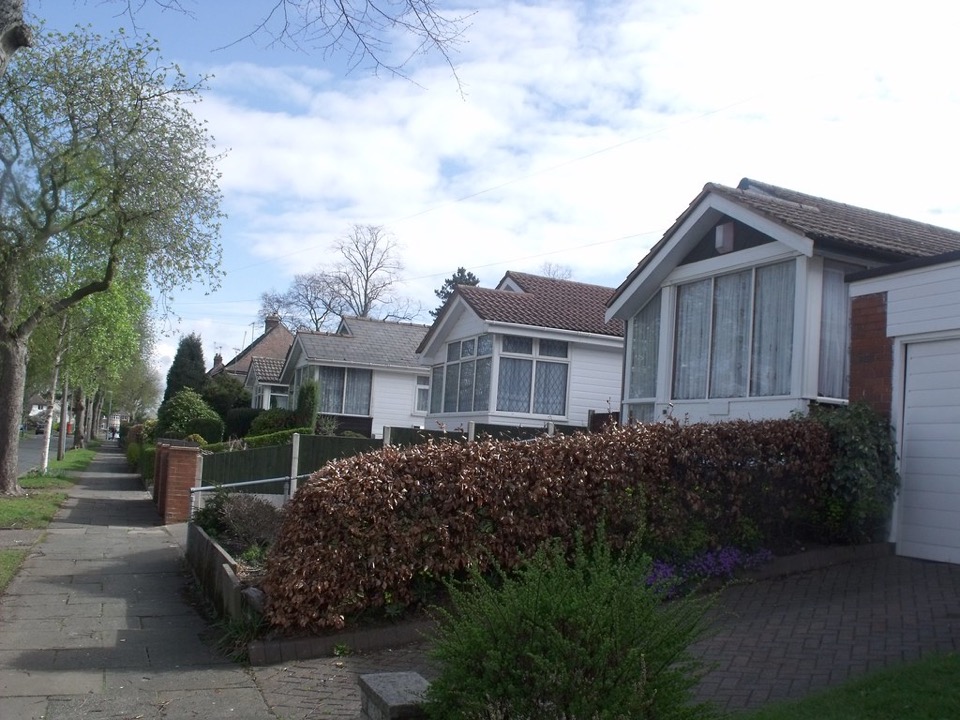
Usually not, but it depends where the panel goes. The permitted development right for solar equipment was rewritten on 27 August 2026. On a pitch, keep the panel under the ridge line and standing out 200 mm at the very most. A flat roof gives you 600 mm of height and that is the limit. A wall abutting a highway allows 200 mm, other walls 400 mm.
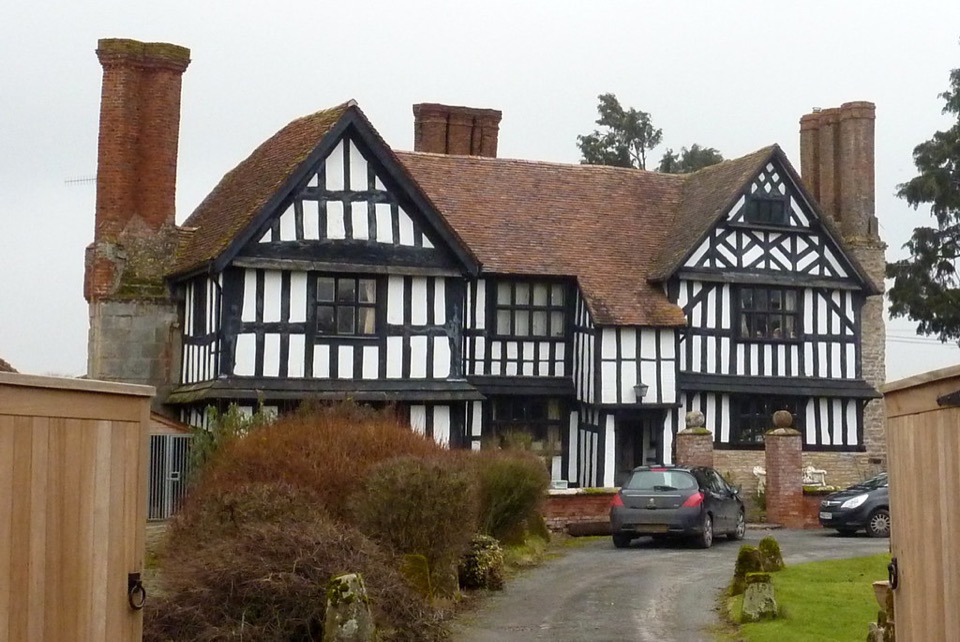
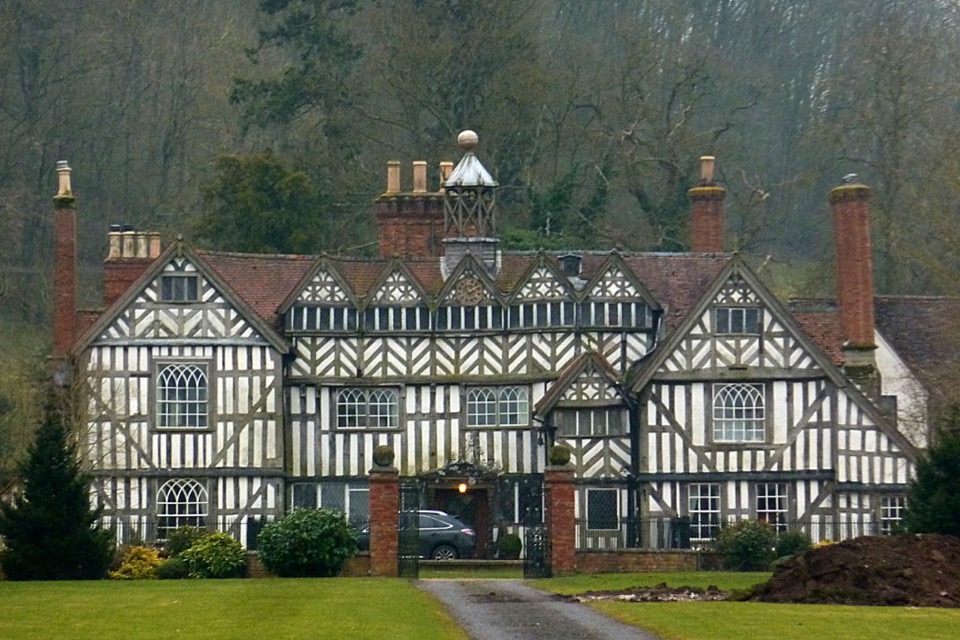
It cannot go on a wooden wall, a balcony or timber cladding. A wall that faces the road is out if you are in a conservation area or a World Heritage Site, and so is the ground of a listed building or a scheduled monument. Where the house is listed, expect to need planning permission and consent for the listing itself.
At a point near Birmingham, an 800 watt device with 14 per cent system losses, facing due south and unshaded, models at 752 kWh a year on a roof pitch at 35 degrees, 746 on a garden frame at 30 degrees, 555 flat on a south wall and 389 flat on an east wall. Those are ceilings, not expectations.
Generation is also not the same as saving. What you save depends on how much electricity you are using at the moment the panel is making it, and there is no storing the rest because batteries are outside the approved class.
One per household. The interim product specification permits one per final ring circuit, then says network connection requirements also apply. Engineering Recommendation G98 Issue 2 Amendment 1 restricts it to one per household, and that applies unless and until the rule is amended.
At a point near Birmingham, an 800 watt device with 14 per cent system losses, facing due south and unshaded, models at 752 kWh a year on a roof pitch at 35 degrees, 746 on a garden frame at 30 degrees, 555 flat on a south wall and 389 flat on an east wall. Those are ceilings, not expectations.
Generation is also not the same as saving. What you save depends on how much electricity you are using at the moment the panel is making it, and there is no storing the rest because batteries are outside the approved class.
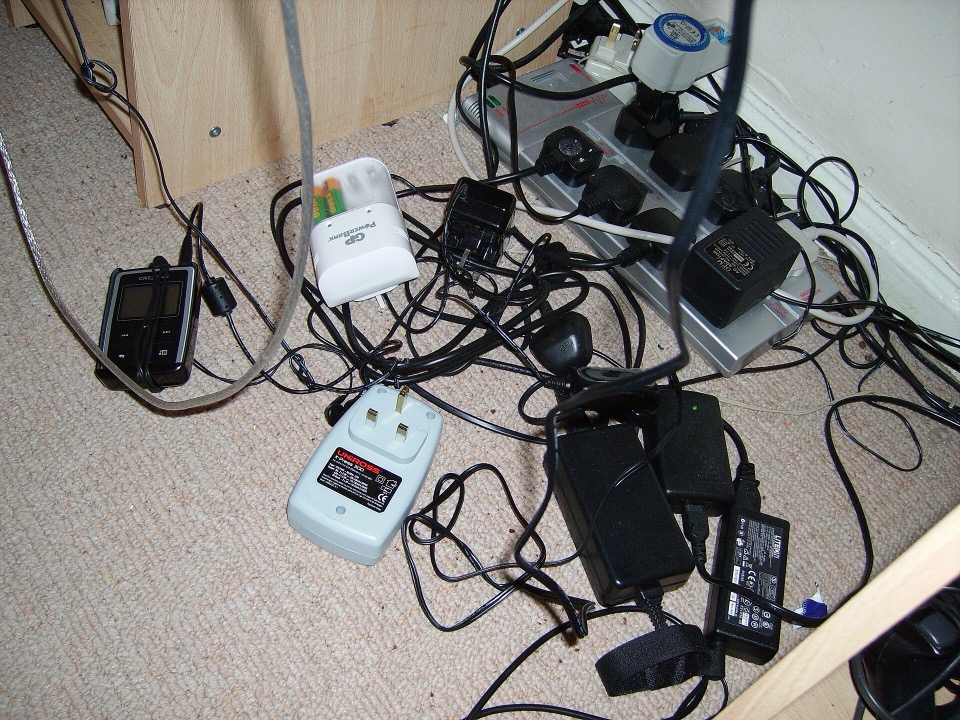
No. The specification names extension cables, multi-way adaptors, RCD adaptors and travel adaptors as things these devices must never be used with. A plug sitting outdoors needs a fitting rated IP55 or better for ingress.
Not to plug it in. These devices are specified for installation and operation by ordinary people. You do need a qualified electrician for any work on the building’s wiring, including a new outdoor socket and any change to the overcurrent protection on the circuit. If you have doubts about a socket, have an electrician look at it.
Yes. In Great Britain you complete a short online form for your network operator within 28 days of installation, giving your name, email address and the installation address. The government’s assessment describes it as a five to ten minute job. We do it with you.
On our working map it is National Grid Electricity Distribution (West Midlands) plc for the West Midlands licence area. That map is from a general reference rather than the operator, so confirm it on the operator’s own postcode checker. You can also call 105, free, and be put through to the right operator for your address.
Not as part of the approved class. The interim specification does not cover plug-in battery systems, or plug-in solar devices integrated with battery systems. A kit sold with a battery sits outside what the specification covers.
Manufacturers have to get the device type tested in accordance with G98 and listed on the ENA Type Test Register, with confirmation that it has been assessed as compliant, before they put it on the market. A kit missing from that register has been through no assessment.
Four figures are worth checking on any listing. Output to the mains is capped at 800 VA and 3.5 amps. The panels can total 2000 watts of DC. An inverter takes four modules at most, with two in series at most in any one string. Go past 960 watts of panels and the specification asks for a professional to assess the installation.
You need the building owner’s permission as well as a clear planning position. That means your landlord, or the freeholder and managing agent if you hold a lease. Ask in writing before you buy anything. A balcony is out under the planning rules whatever they say.
Three things landed together. The regulations that legalised these devices came into force. The network rule restricting them to one per household took effect. And the permitted development right for solar equipment was rewritten, including the exclusion of wooden walls, balconies and timber cladding. A 12 month transitional period runs to 27 August 2027, during which the old planning rules or the new ones can be followed.
We have put no prices anywhere here. Kit prices move about, and what a socket costs depends on your house, so any number printed here would be a guess. Give us the postcode and the spot, and we will set out what is involved.
Every answer above is taken from the interim product specification version 2.0, the Planning Portal, Ofgem and PVGIS, with the government’s impact assessment for the notification. All were read on 13 September 2026.
Give us the postcode and tell us what that part of the house is built from. We will say which way it falls.
Send us your postcodeSend the postcode. We'll tell you.
Name, postcode, email, and the spot you're thinking of. Back comes an email with what the rules say and what that spot should generate in a year.
Email replies only. Your details go nowhere else and we take no commission.