We check your surface
Tell us where you want it and what that part of the house is built from. We check it against the planning rules and tell you whether it is covered.
How the check worksBirmingham, the Black Country, Coventry and the shires all have different housing, so the first thing we do is look at yours. Tell us the postcode and the wall or roof you mean, and you'll get the planning position, the likely output, and a fitter if you need one.
Name, postcode, email, and the spot you're thinking of. Back comes an email with what the rules say and what that spot should generate in a year.
Email replies only. Your details go nowhere else and we take no commission.
These are modelled figures for an 800 watt device at a point near Birmingham, with 14 per cent system losses and nothing shading it. They come from PVGIS, which is published by the European Commission’s Joint Research Centre. Treat them as the most you could get rather than what you will get.
Facing south at 35 degrees, nothing shading it.
Standing on the lawn, tilted to 30 degrees and pointing south.
Vertical, facing due south.
Vertical, facing east. West is much the same.
A wall pointing due south returns roughly three quarters of the roof pitch number. Turn that wall to face east or west and it halves. Remember that generating is not the same as saving. What you save depends on how much electricity you happen to be using while the panel is making it, and a battery sits outside the approved class.
There are three of them, and you are free to stop at the end of any one.
Tell us where you want it and what that part of the house is built from. We check it against the planning rules and tell you whether it is covered.
How the check works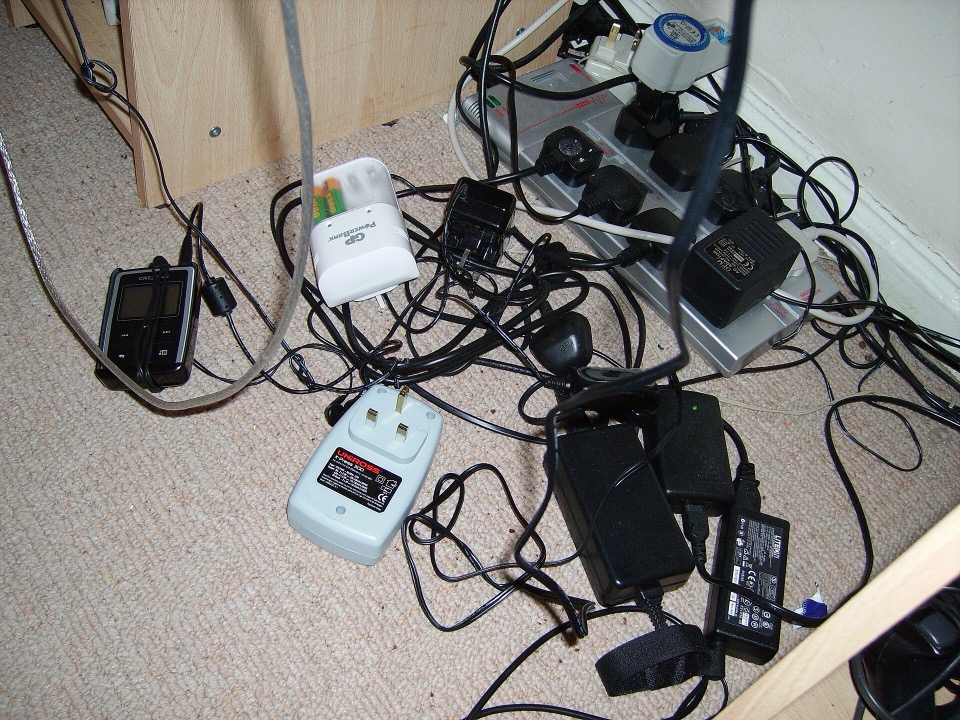
You can plug the panel in yourself. If the nearest socket is outdoors you need a weatherproof one, and we get a local electrician to price that.
Fitting and sockets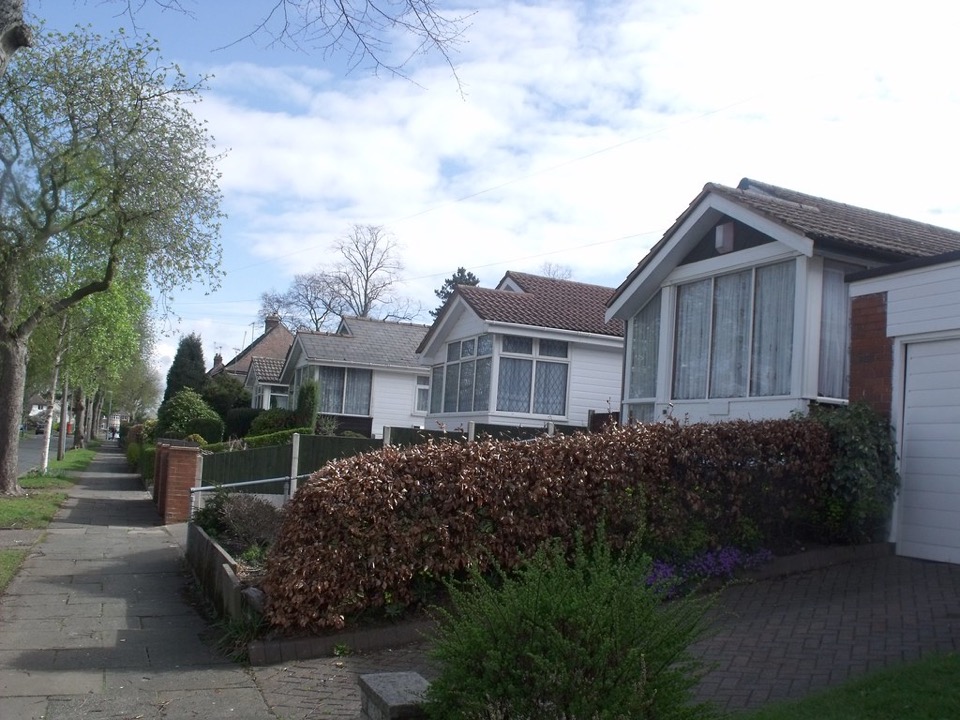
Once it is in, your network operator needs a short online form within 28 days. We sit down and fill it in with you.
What the form asksThe permitted development right for solar equipment was rewritten on 27 August 2026. The new version says plainly that it does not cover plug-in solar fixed to a wooden wall, a balcony or timber cladding. Houses and blocks of flats are both covered by that wording.
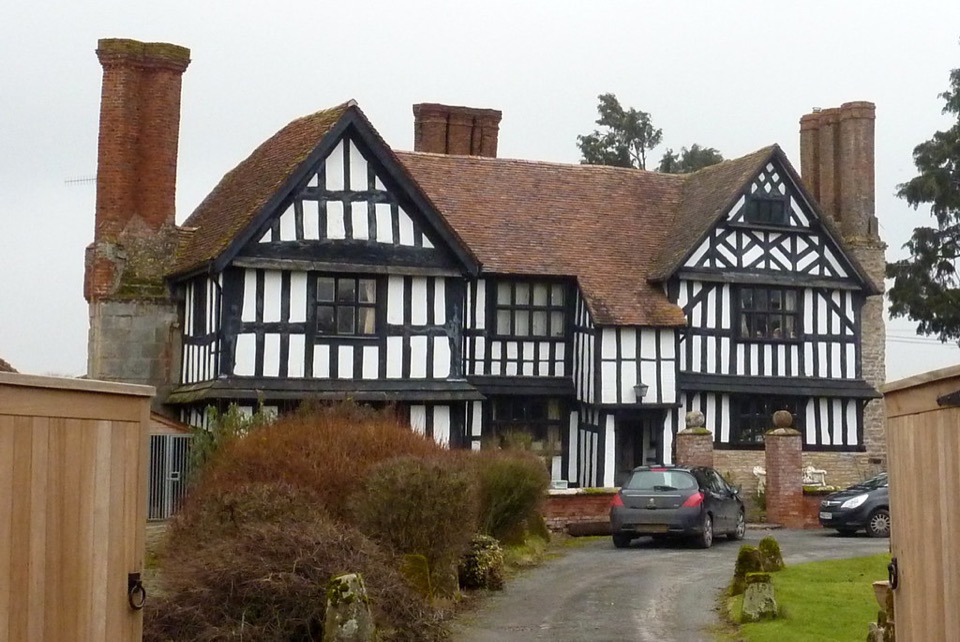
This matters more here than in most regions. Black and white timber framing is the West Midlands’ own building style, from Worcestershire through Herefordshire and Shropshire, and newer houses across the region use timber cladding on gables and extensions.
You get 12 months of grace on this, ending on 27 August 2027. Until then either version can be used, and we will tell you which one helps you. All of it comes from the Planning Portal, read on 13 September 2026.
See how we check a surface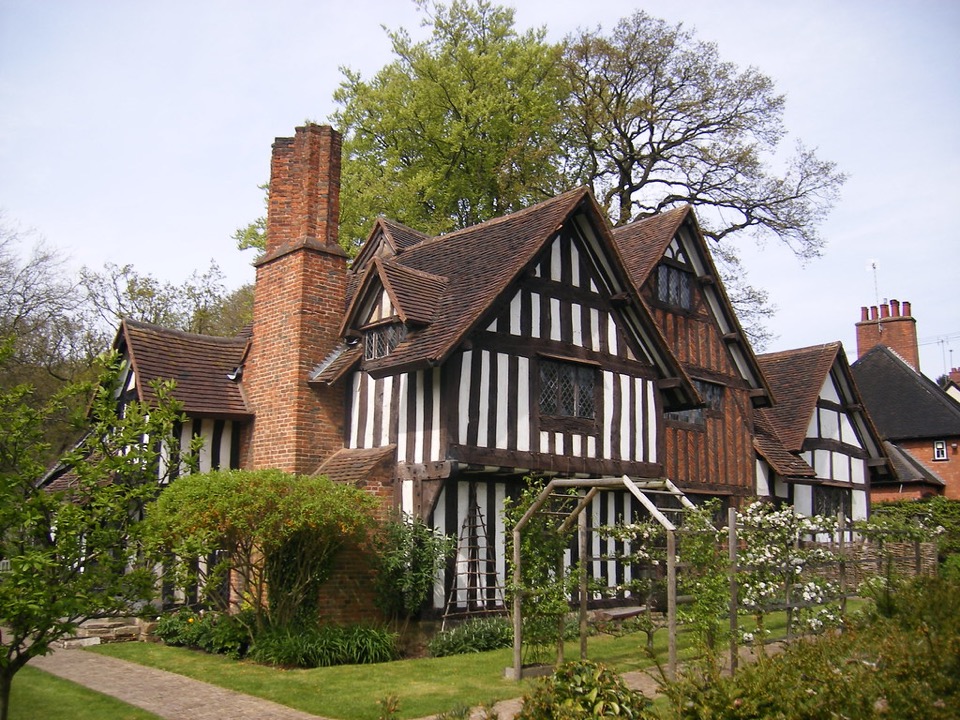
The region runs from a dense city centre to some of the emptiest countryside in England, and the housing changes as you go. Here is the short version. The guide has the long one.
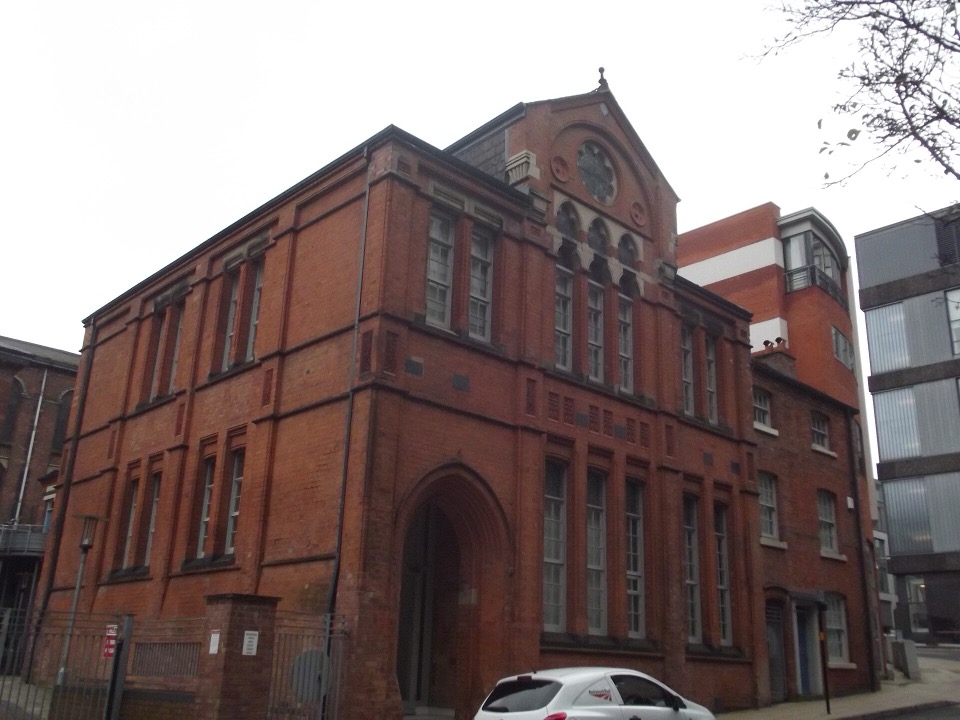
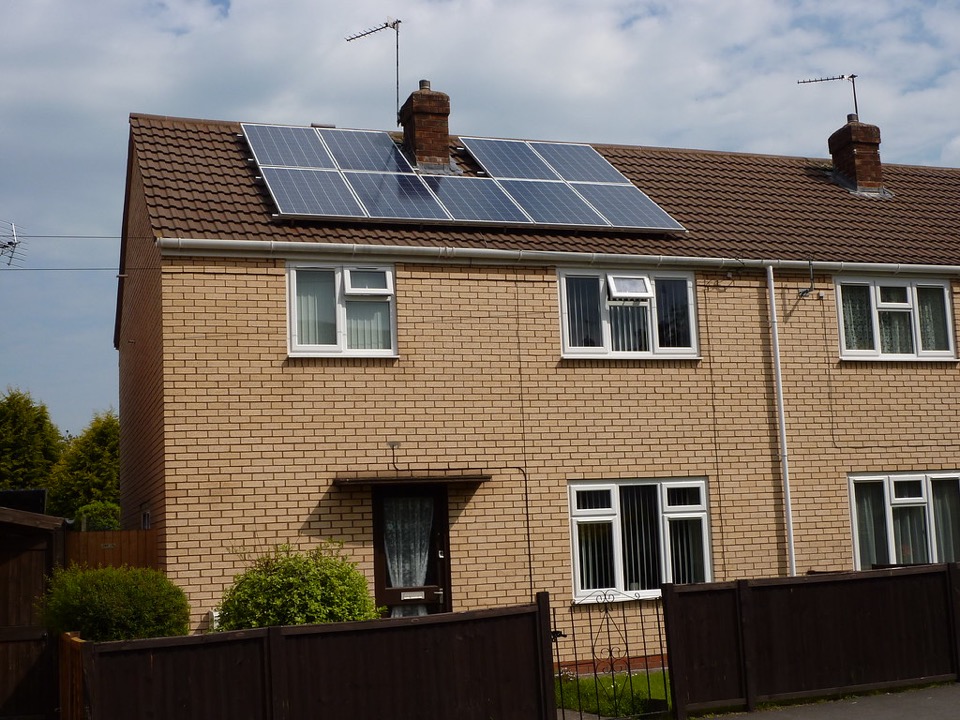
Brick terraces, interwar semis and a lot of flats. Brick and tile are fine. Check the back before the front.
Wolverhampton, Walsall, Dudley and Sandwell. Mostly brick, often with a small back garden that suits a frame.
Postwar estates and a lot of rebuilt streets, so roofs and walls are usually plain brick and tile.
Village brick and render, with older timber framed houses in the smaller places.
Black and white timber framing is the county’s own style, and the new rules do not cover it.
Brick towns and stone villages towards the moorlands. Gardens are often big enough for a frame.
Timber framing in the market towns, brick and stone elsewhere, and a lot of conservation areas.
Timber framing again, plus render and brick. Listed cottages are common, so we check before anything else.
In Great Britain you have 28 days from installing a plug-in solar device to tell your network operator about it. The form is short. It wants a name, an email address, and the address where the device went in.
On our working map the operator for this region is National Grid Electricity Distribution (West Midlands) plc. That map came from a general reference, not from the operator, so confirm it on the operator’s own postcode checker. Or skip the lookup and ring 105. That call is free and it puts you straight through to whichever network operator covers your address.
You are allowed one device per household. The product specification permits one per final ring circuit, but the network rules in G98 Issue 2 Amendment 1 are tighter and they are the ones that decide it.
What the form asks for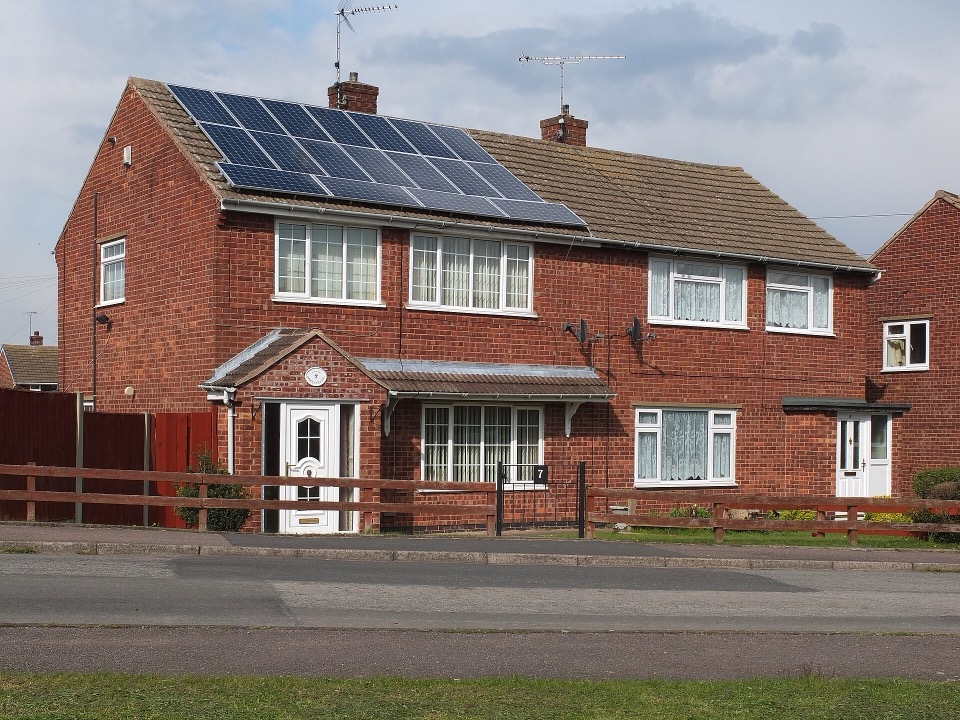
Four of them here. The rest are on the questions page.
Usually not, but it depends where the panel goes. On a pitch, keep it under the ridge line and standing out 200 mm at the very most. A flat roof gives you 600 mm of height and that is the limit. Wooden walls, balconies and timber cladding are ruled out, and so is the ground of a listed building or a scheduled monument.
One per household. The product specification allows one per final ring circuit, but the network connection rules restrict it to one per home, and that is the number that counts.
No. The specification rules out extension cables, multi-way adaptors, RCD adaptors and travel adaptors for these devices. Where the plug sits outdoors, the fitting it goes into needs an ingress rating of IP55 or better.
Manufacturers have to get the device type tested to G98 and listed on the ENA Type Test Register before they sell it. A kit missing from that register has been through no assessment, whatever its listing claims.
We will tell you whether the rules cover the spot you have in mind, what a panel there would make in a year, and whether you need an electrician for a socket. If the answer is that it is not worth doing at your house, you will get that answer too.
Send us your postcode